
Have you ever come across green beans that are misshapen, pitch black, or physically damaged?
Have you ever inspected a batch of raw coffee and noticed beans that are misshapen, pitch black, or physically damaged?
These aren't just "ugly" beans—in the professional coffee world, they are known as defects.
Green bean defects are physical or structural imperfections in raw coffee that severely degrade the flavor, aroma, and overall quality of the final roasted cup. Even in small quantities, these damaged beans can destroy a flavor profile and ruin roasting consistency.
Under the Specialty Coffee Association (SCA) standards, the defect count is the primary factor in determining a coffee's grade, specifically whether it earns the coveted title of "Specialty Grade." Here is everything you need to know to spot them.
What Causes Green Coffee Bean Defects?
A defect is an imperfection that occurs long before the coffee reaches the roaster. These flaws typically stem from:
Harvesting Errors: Picking underripe or overripe cherries.
Processing Failures: Sub-optimal post-harvest processing or uncalibrated machinery.
Fermentation Issues: Uncontrolled or over-extended fermentation.
Pest Infestations: Damage from insects like the coffee berry borer.
Poor Storage: Inadequate drying or high-humidity storage conditions.
In the cup, these physical defects are the primary culprits behind harsh "off-flavors," such as phenolic (medicinal), musty (moldy), or sharp vinegar notes.
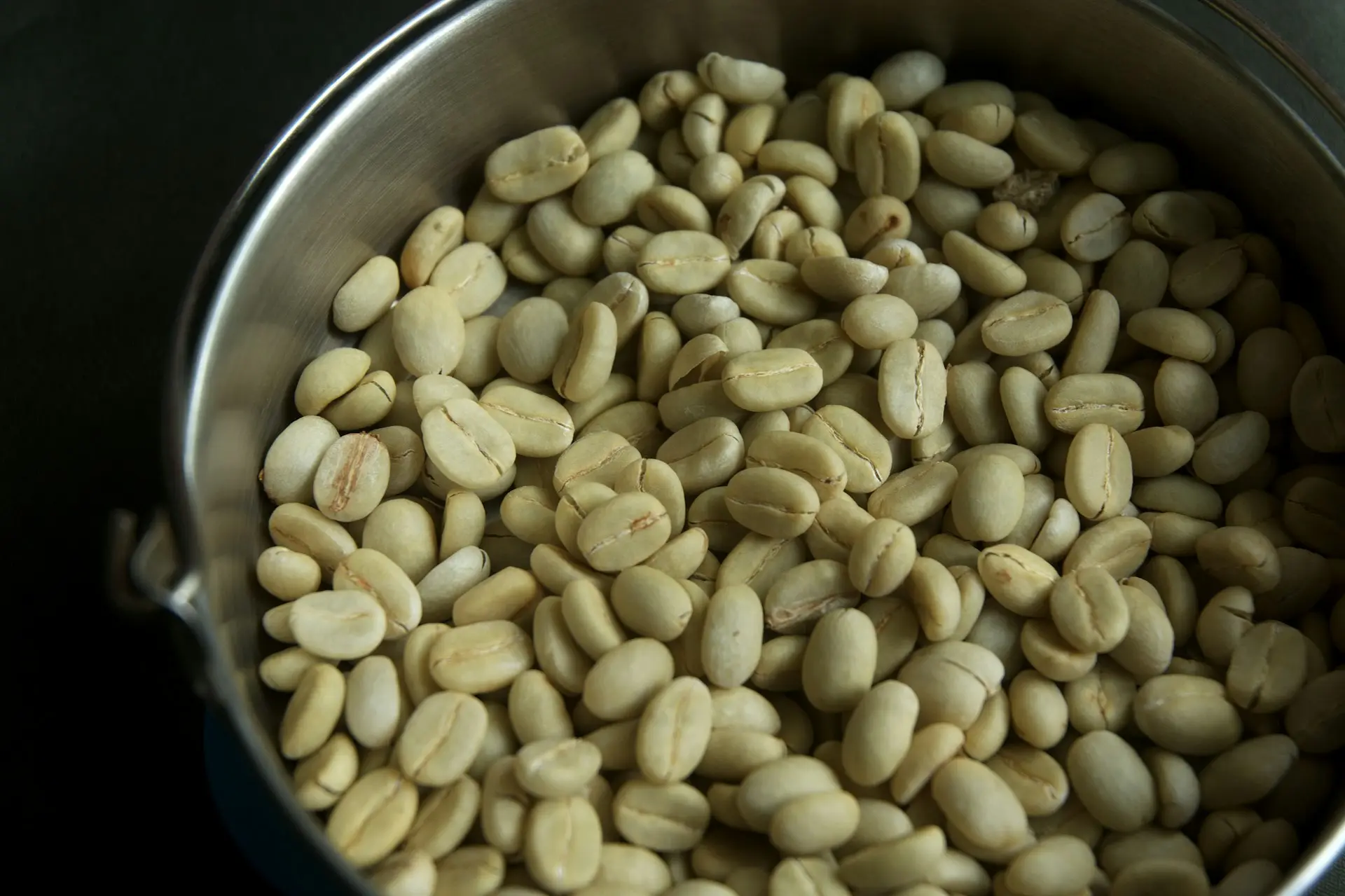
SCA Classification: Primary vs. Secondary Defects
The SCA categorizes green bean defects into two distinct groups based on how severely they impact the coffee's flavor.
1. Primary Defects (Major Imperfections)
These are severe defects that have a devastating, immediate impact on the flavor and aroma of the coffee.
Full Black Bean: Caused by over-fermentation or severe nutritional deficiencies in the soil.
Full Sour Bean: Resulting from improper, prolonged fermentation; creates a sharp, vinegar-like taint.
Fungus Damage: Mold growth due to excessive moisture during drying or storage.
Severe Insect Damage: Three or more significant holes caused by pest infestations.
Foreign Matter: The presence of stones, twigs, dirt, or debris mixed in with the coffee.
2. Secondary Defects (Minor Imperfections)
These are milder imperfections. While they still negatively affect quality and roasting consistency, they are less intense than primary defects.
Partial Black / Partial Sour: Only a small portion of the bean is discolored or affected.
Broken / Chipped / Cut Bean: Often caused by aggressive mechanical hulling during processing.
Parchment: The dried, papery hull remains stubbornly attached to the bean.
Floater: Underdeveloped, low-density beans that literally float in water.
Shell: A hollow, malformed, "ear-shaped" bean that burns quickly during roasting.
Defect Standards for Specialty Coffee
The specialty coffee market is strictly regulated. To be officially classified as Specialty Grade according to the SCA, a coffee must meet the following criteria:
Zero (0) Primary Defects allowed in a 350-gram sample.
Maximum of 5 Secondary Defects (measured in full defect equivalents) per 350-gram sample.
The coffee must exhibit a clean cup with absolutely no taints or faults.
This rigorous grading system is exactly why specialty green beans look significantly cleaner, more uniform, and roast far more consistently than commercial-grade coffee.
Why Low-Defect Coffee Matters for Your Business
Whether you are a Q-Grader, a commercial roaster, or a dedicated home-brewer, choosing green beans with a low defect count ensures:
Cleaner Flavor Profiles: No distracting, muddy off-notes.
Enhanced Sweetness: Better clarity, allowing the bean's natural sugars to shine.
A Pleasant Aftertaste: A smooth finish completely free of harsh astringency.
Roasting Consistency: Uniform beans absorb heat evenly, preventing baked or scorched batches.
Higher Market Value: Premium, defect-free quality commands a premium price.
Quality always begins with the raw bean—long before the roaster is ever turned on.
Ready to roast with the best?
Don't let hidden defects ruin your next batch. Discover Coffest’s curated collection of rigorously graded, premium green beans designed for specialty roasters:
Keep expanding your coffee knowledge: Want to learn more about green bean grading, sourcing, and roasting techniques?